
Choosing the right Chinese glass smoking accessories supplier is about more than finding the lowest price. A reliable supplier should offer consistent quality, professional manufacturing capabilities, stable production, clear communication, and dependable long-term service.
our webiste for more information:www.jconsglass.com
For importers, wholesalers, smoke shop suppliers, and private-label brands, choosing the wrong factory can lead to inconsistent quality, delayed shipments, damaged products, or unnecessary costs.
So, how can you identify a reliable glass smoking accessories manufacturer in China?
Here are the key factors you should consider before placing an order.
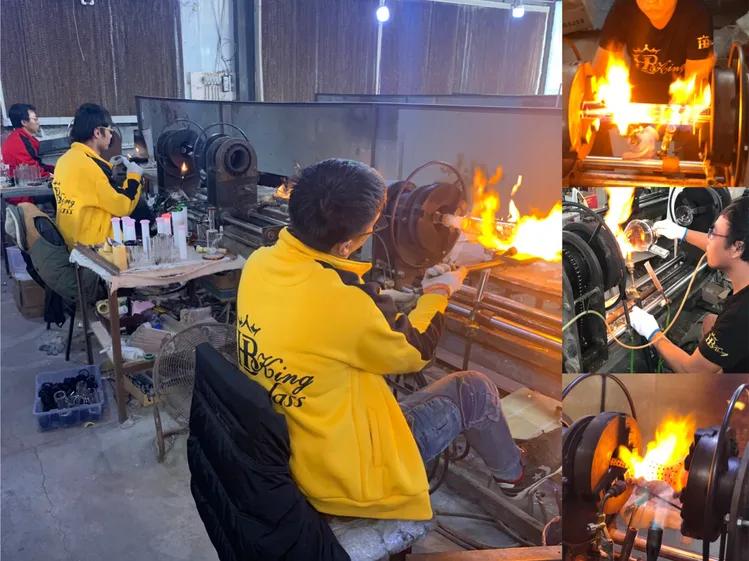
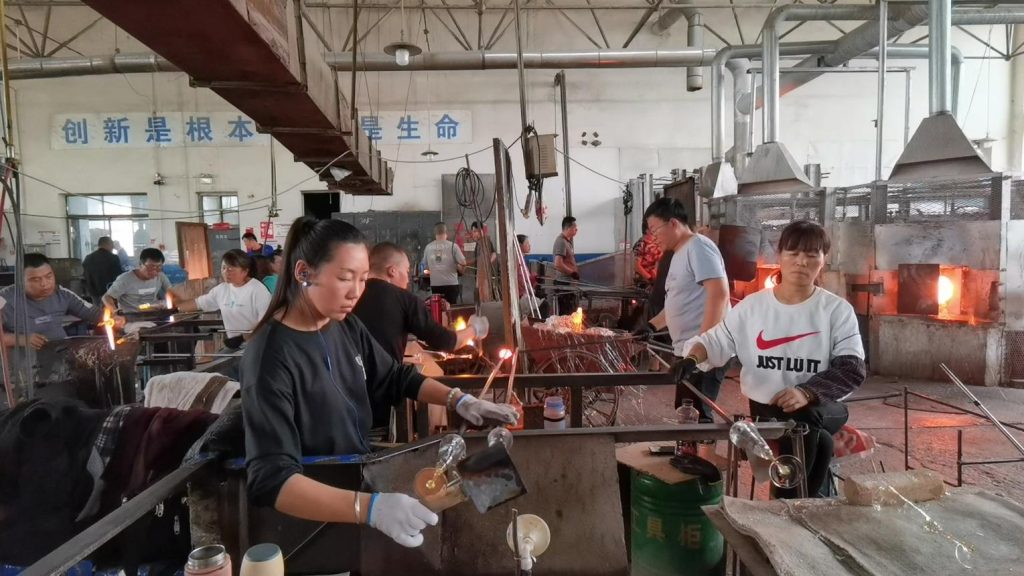
1. Make Sure You Are Dealing With a Real Manufacturer
One of the first questions you should ask is:
“Are you a manufacturer or a trading company?”
This sounds simple, but it is extremely important.
Some suppliers found online are trading companies that purchase products from different factories and resell them to international customers. Trading companies can be useful in some situations, but if you are looking for long-term OEM or customized production, working directly with a manufacturer usually gives you better control over product quality, communication, customization, and production schedules.
A genuine manufacturer should be able to show you:
- Production facilities
- Glassworking equipment
- Production workers and technicians
- Quality control procedures
- Finished-product warehouses
- Factory photos and videos
- Examples of customized products
- Production capacity for your order
A good supplier should not be afraid to show you how the products are actually made.
2. Look at Manufacturing Experience, Not Just Years in Business
A company may have existed for many years without having extensive experience manufacturing your specific products.
For glass smoking accessories, manufacturing experience matters because different products require different skills.
A reliable factory should understand processes such as:
- Borosilicate glass forming
- Glass tube processing
- Glass joint production
- Percolator manufacturing
- Glass welding
- Color glass processing
- Custom shaping
- Logo and decoration application
- Annealing and finishing
- Product assembly
- Packaging for international shipping
For more complicated products, manufacturing experience becomes even more important.
A simple glass pipe and a multi-percolator scientific glass rig may look similar at first glance, but the manufacturing difficulty can be completely different.
Don’t only ask, “How many years have you been in business?”
Instead, ask:
“How many years have you been manufacturing this type of glass product?”
That question can tell you much more about a supplier’s real capability.
3. Ask About the Glass Material
Material quality is one of the most important factors when purchasing glass smoking accessories.
For many premium glass products, high-borosilicate glass is commonly selected because of its heat resistance, durability, and suitability for precision glassworking.
However, simply writing “borosilicate glass” on a product page does not automatically guarantee material quality.
A professional supplier should be able to clearly explain:
- What type of glass is being used
- Available glass thicknesses
- Tube specifications
- Color glass options
- Material consistency
- Production and annealing processes
For customized products, you should also provide clear specifications regarding thickness, dimensions, joints, colors, and other critical requirements.
4. Evaluate the Quality Control Process
A reliable supplier should have a clear quality control process rather than simply saying:
“Don’t worry, our quality is good.”
For glass smoking accessories, quality control can include checking:
Glass Quality
- Cracks
- Stress marks
- Unwanted bubbles
- Surface defects
- Uneven glass
Dimensions
- Product height
- Diameter
- Glass thickness
- Joint size
- Joint angle
Functional Components
- Downstem fit
- Bowl fit
- Glass joints
- Percolators
- Airflow
- Water circulation
Appearance
- Color consistency
- Logo placement
- Printing or decals
- Polishing
- Surface finishing
A professional manufacturer should be able to explain how products are inspected before shipment, not simply promise that everything will be perfect.
Quality control is particularly important for fragile glass products because a small manufacturing defect can become a major problem during transportation. Industry sourcing guidance also recommends checking production quality, sample consistency, final inspection procedures, and defect standards before committing to larger orders.
5. Always Request Samples Before Mass Production
Never judge a glass supplier only by their catalog photos.
Photos can show the design, but they cannot tell you everything about actual manufacturing quality.
Before placing a large order, request samples whenever possible.
When evaluating your samples, pay attention to:
- Glass clarity
- Weight
- Wall thickness
- Joint quality
- Symmetry
- Percolator construction
- Weld quality
- Airflow
- Color consistency
- Logo quality
- Packaging
For custom products, the sample is even more important.
A good manufacturer should be willing to modify the design based on your feedback and produce another sample when necessary.
A professional sampling process is often a good indication of how the supplier will handle your mass production order.
6. Test Their Customization Capability
If you are a brand owner, customization may be one of your most important requirements.
You may need:
- Custom product shapes
- Custom colors
- Custom glass thickness
- Custom dimensions
- Custom percolators
- Custom glass joints
- Custom logos
- Custom packaging
- Custom accessories
- OEM / ODM production
Don’t simply ask:
“Can you customize?”
Almost every supplier will say yes.
Instead, ask them to show you examples of products they have actually customized.
A capable manufacturer should be able to understand technical drawings, product references, dimensions, and structural requirements.
For complex glass products, the ability to turn an idea, drawing, or reference sample into a workable production design is a major advantage.
7. Check Their Communication and Response Speed
Communication is often underestimated when choosing a supplier.
However, international manufacturing involves many details.
You may need to discuss:
- Product specifications
- Sample changes
- Packaging
- Order quantities
- Production schedules
- Shipping arrangements
- Quality problems
- Replacement parts
- New product development
A supplier that responds quickly and clearly during the quotation stage is generally easier to work with later.
Pay attention to whether the salesperson:
- Understands your questions
- Answers specific points
- Provides accurate specifications
- Confirms details in writing
- Reports problems honestly
- Gives realistic production times
Good communication is part of product quality.
A supplier that misunderstands your specifications can produce the wrong product even if their manufacturing skills are excellent.
8. Don’t Choose a Supplier Based Only on the Lowest Price
This is one of the most important lessons for international buyers.
The cheapest quotation is not necessarily the lowest total cost.
For example, a supplier may offer a very low unit price but later cause problems through:
- High defect rates
- Poor packaging
- Broken products
- Delayed production
- Inconsistent samples and bulk orders
- Unexpected additional costs
- Poor communication
- Difficult after-sales service
A slightly higher initial price from a professional manufacturer may actually save money in the long run.
When comparing suppliers, look at the total value, including:
Product Quality + Manufacturing Capability + Communication + Packaging + Delivery Reliability + After-Sales Support
—not simply the unit price.
Recent supplier-selection guidance similarly emphasizes that reliable sourcing should be evaluated through factory verification, samples, quality systems, and controlled first orders rather than price alone.
9. Verify Export Experience
A supplier may be very good at manufacturing but have limited experience working with international customers.
For overseas buyers, export experience can make the entire process much easier.
Ask whether the supplier regularly works with customers in markets such as:
- United States
- Canada
- Europe
- Australia
- United Kingdom
- Other international markets
You can also ask about:
- Export packaging
- Commercial invoices
- Packing lists
- Shipping arrangements
- International freight
- Product labeling
- Customs documentation
A supplier with years of international B2B experience is generally better prepared to handle the practical issues that occur after production.
10. Start With a Small Trial Order
You don’t have to place a large order immediately.
A small trial order can help you evaluate the supplier before building a long-term relationship.
During the trial order, evaluate:
Product
Does the final product match the approved sample?
Quality
Is the quality consistent across the entire shipment?
Packaging
Did the products arrive safely?
Delivery
Was the order completed on time?
Communication
Did the supplier keep you updated?
Problem Solving
How did they respond when something went wrong?
This first order should be viewed as a test of the entire supply chain, not simply a purchase.
11. Look for a Supplier That Can Grow With Your Business
The best supplier is not necessarily the factory with the largest production capacity.
Instead, look for a supplier whose capabilities match your business.
For example, a growing brand may need:
Small Orders → Custom Samples → OEM Production → Larger Orders → New Product Development
If your supplier can support you throughout these stages, you don’t have to constantly search for new factories.
This can create a much stronger long-term business relationship.
A Simple Checklist for Choosing a Chinese Glass Smoking Accessories Supplier
Before placing your first order, ask yourself:
| Question | What to Look For |
| Is it a real manufacturer? | Factory evidence and production capability |
| Does it have relevant experience? | Experience with glass smoking accessories |
| What glass material is used? | Clear material specifications |
| Is there a QC process? | Inspection before and during production |
| Can I receive samples? | Pre-production sample approval |
| Can they customize? | OEM/ODM and technical development capability |
| Can they handle international orders? | Export experience |
| Is communication reliable? | Clear and timely responses |
| Is packaging suitable? | Professional protective packaging |
| Can I start with a trial order? | Flexible cooperation |
| Can they support long-term growth? | Stable production and product development |
Final Thoughts
Choosing a reliable glass smoking accessories supplier in China doesn’t have to be difficult.
The key is to look beyond the catalog and the quotation.
A trustworthy supplier should be able to demonstrate real manufacturing capability, consistent quality, professional communication, customization experience, export experience, and a willingness to build a long-term relationship.
Before placing a large order, verify the factory, request samples, check the quality carefully, and start with a manageable trial order.
The right supplier should not simply sell you a product. They should become a reliable manufacturing partner for your business.
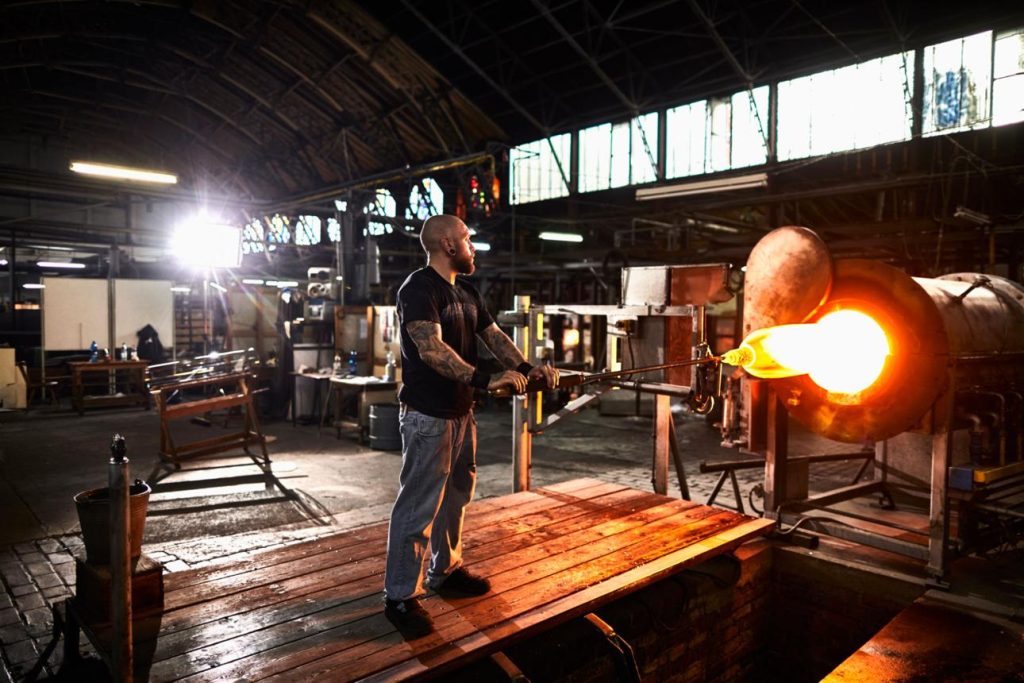
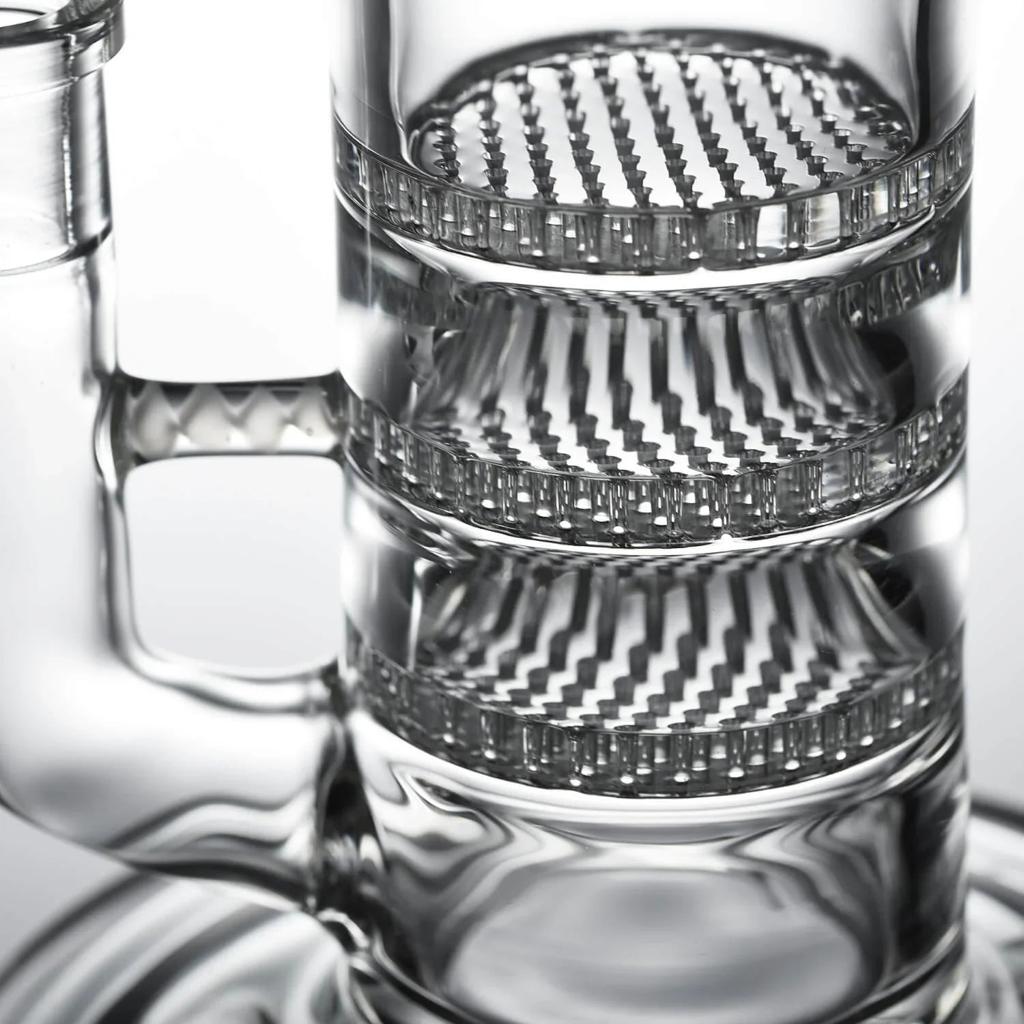

Looking for a Reliable China Glass Smoking Accessories Manufacturer?
If you are looking for OEM/ODM glass smoking accessories, custom glass bongs, glass rigs, percolators, accessories, or other borosilicate glass products, working directly with an experienced manufacturer can give you better control over quality, customization, and production.
A good supplier should be ready to discuss your product drawings, samples, specifications, packaging, logo requirements, and order quantities before production begins.
The goal is not simply to find the cheapest factory.
The goal is to find a factory you can trust for your next order—and your next ten orders.